


STEP 01
Foundry
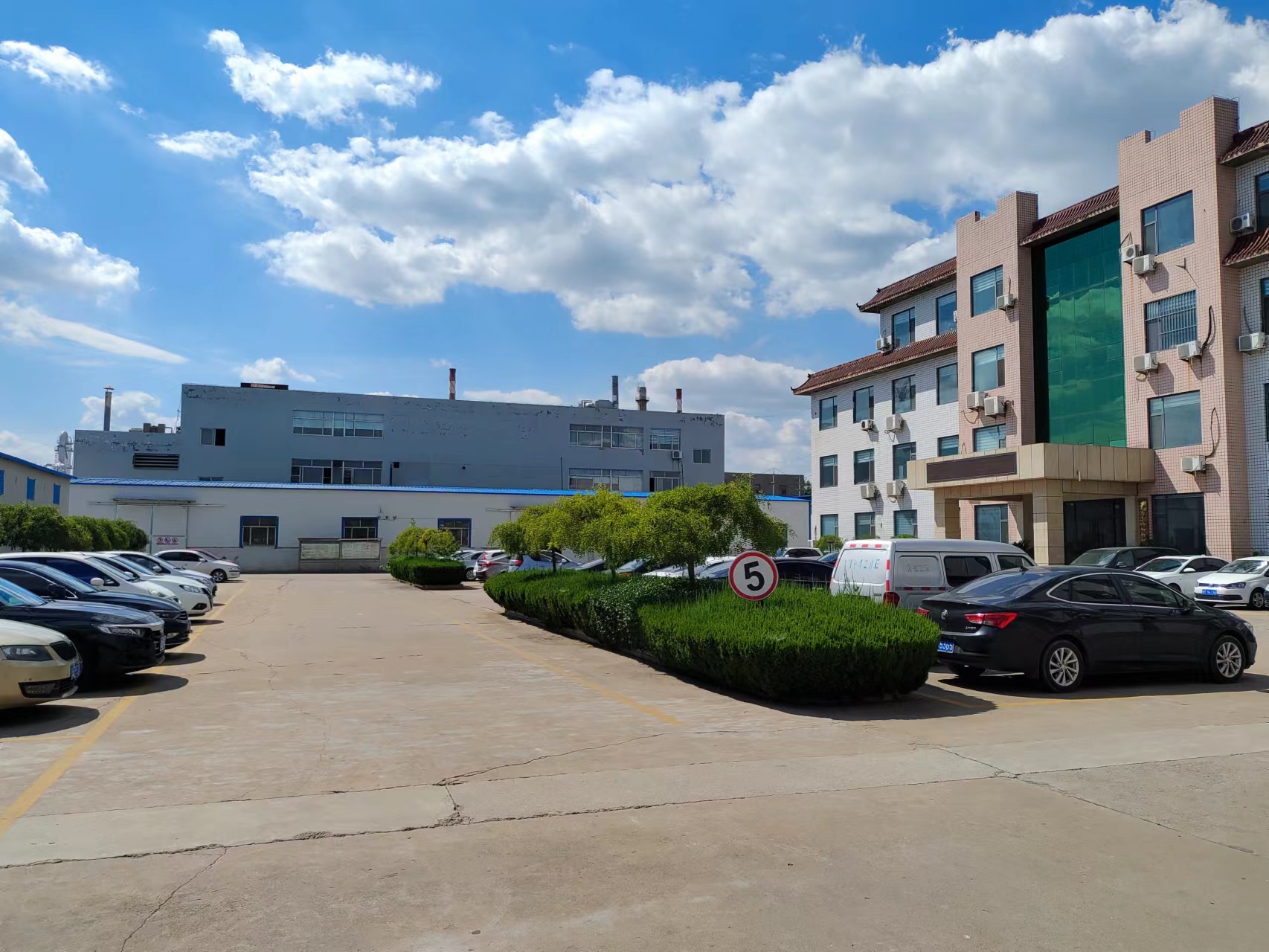
Our Dongying foundry uses controlled production procedures to manage investment casting, from wax patterns through to finished components.


Foundry King is an expert in supplying all kinds of Chinese Premium OEM investment castings and marine hardware and 85% of our products are exported to Europe, the US, Japan, Australia, and India. We provide customization services for all our Premium investment castings and marine hardware. Premium investment castings and marine hardware can be delivered in 25 days. All our Staff works with 20 + years of experience.
Foundry King is ruling different premium oem investment castings, and marine hardware markets for over two decades. We always strive to serve in the best possible way. Fulfilling our commitment is our motive.


Select a defined wear-alloy grade for the real combination of abrasion and impact. High chrome white iron vs Ni Hard is a comparison of wear-alloy families, not two universally interchangeable materials. Grades within these families differ, and performance depends on carbide structure, matrix condition, heat treatment and the actual service. A high hardness number alone […]
Match the wear mechanism to the material rather than choosing by hardness alone. Manganese steel castings are often discussed in applications involving impact and wear. Their useful behavior depends on the actual alloy, heat treatment and service conditions, including whether the surface receives loading capable of producing the intended work-hardening response. A material successful in […]
Evaluate the casting and its processing condition as one material choice. A356 vs A357 is a comparison between aluminum casting alloy designations that should be evaluated with the applicable standard and delivery condition. The alloy name does not define the complete performance of a housing, bracket or impeller. Casting quality, section geometry, heat treatment and […]
Specify the delivered condition instead of ordering only a familiar alloy name. 17-4 PH stainless steel castings are selected for combinations of strength and corrosion-related requirements, but the alloy name alone leaves the delivery condition incomplete. Precipitation-hardening treatment changes the material’s properties, and the correct condition must match the component’s mechanical duty, environment and governing […]
Separate wrought trade names from the casting specification and delivered condition. Duplex stainless steel castings combine austenitic and ferritic phases in a material family used for demanding strength and corrosion requirements. Suitability depends on the actual cast grade and processing condition. A familiar wrought label or a broad claim of superior corrosion resistance is not […]
Link the cast grade to fabrication and corrosion requirements. CF3M vs CF8M is often discussed when a stainless casting will be welded, repaired or exposed to a corrosion-sensitive service. Carbon control is relevant, but the grade choice should still follow a complete material specification. Low carbon is not a substitute for suitable heat treatment, clean […]
Our Dongying foundry uses controlled production procedures to manage investment casting, from wax patterns through to finished components.
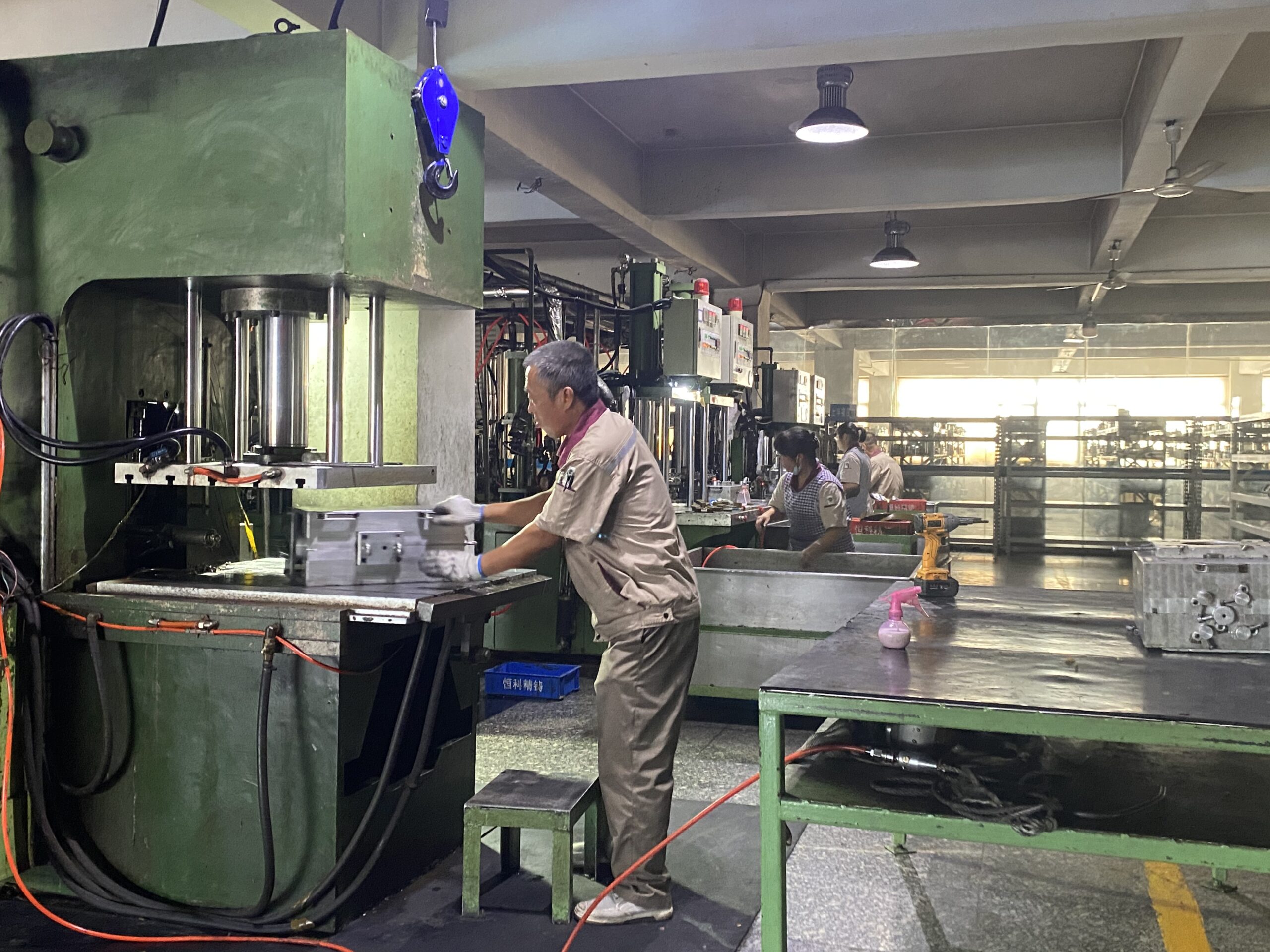
Precision tooling receives molten wax to produce consistent patterns that accurately match each component design.
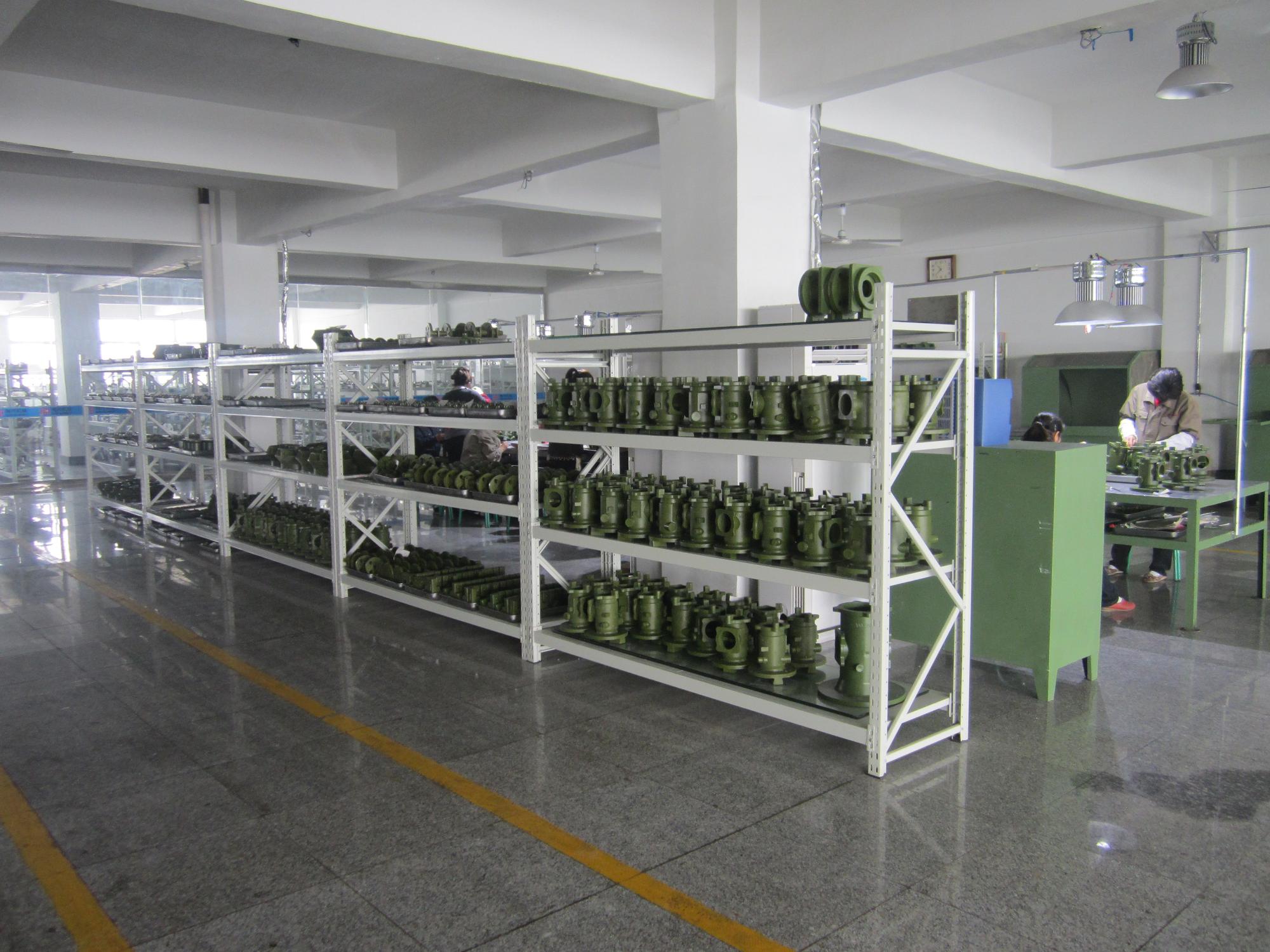
Before shell building, wax patterns are checked, cleaned and joined together to form casting trees.
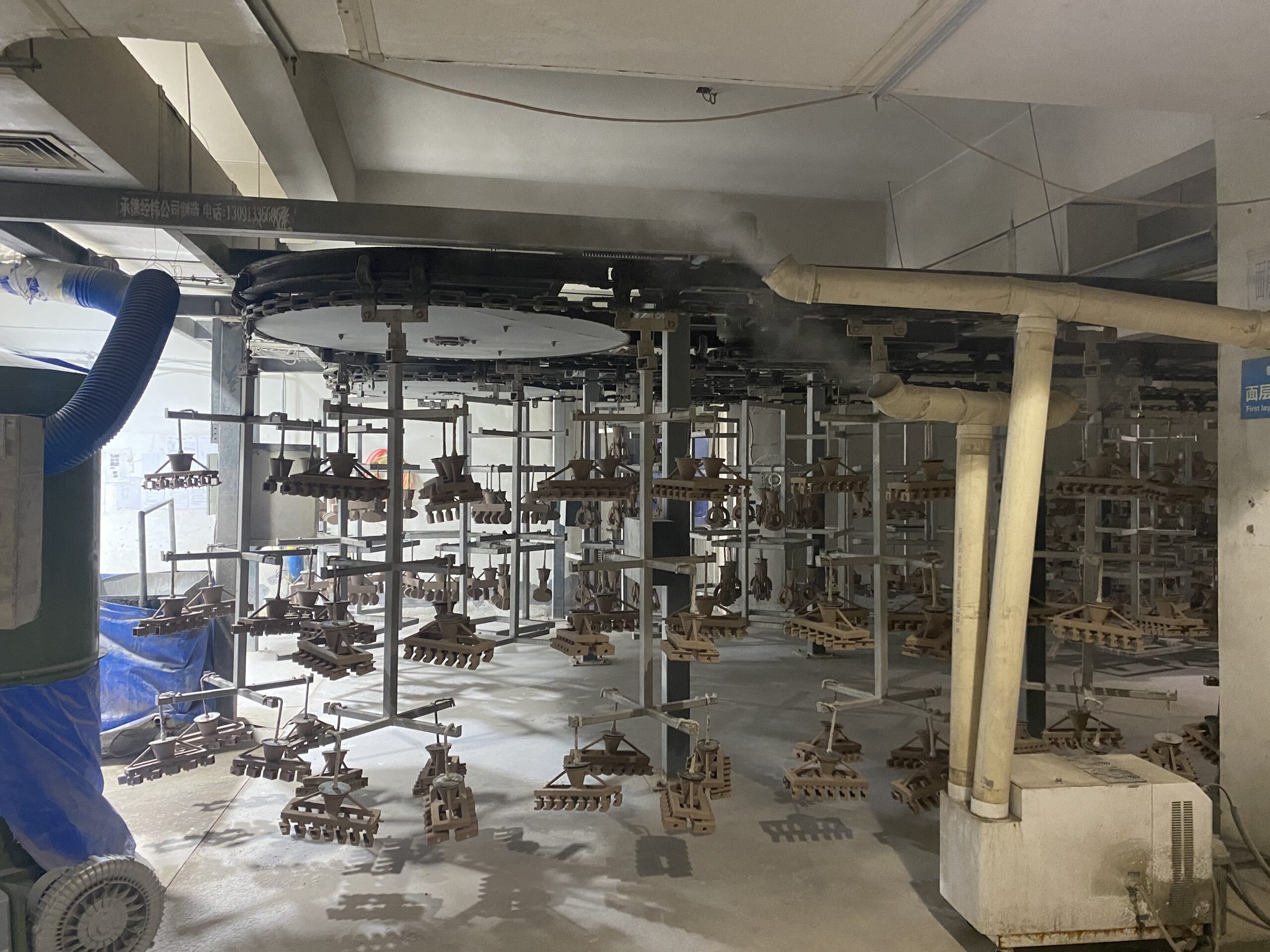
Layers of refractory slurry and stucco are applied and dried to form durable ceramic shells with stable dimensions.
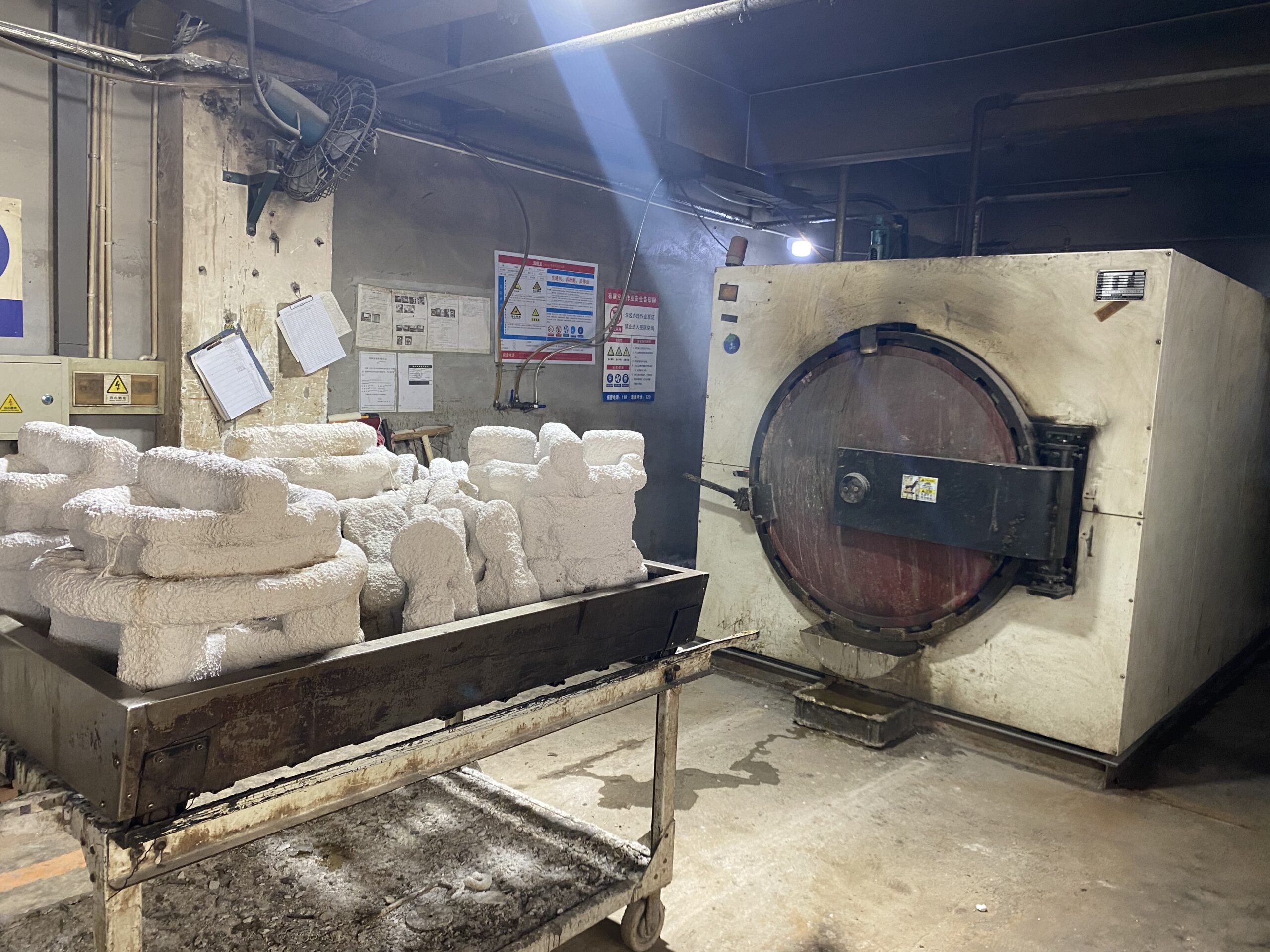
Controlled heating removes wax from the cured shells, leaving clean cavities for preheating and metal pouring.
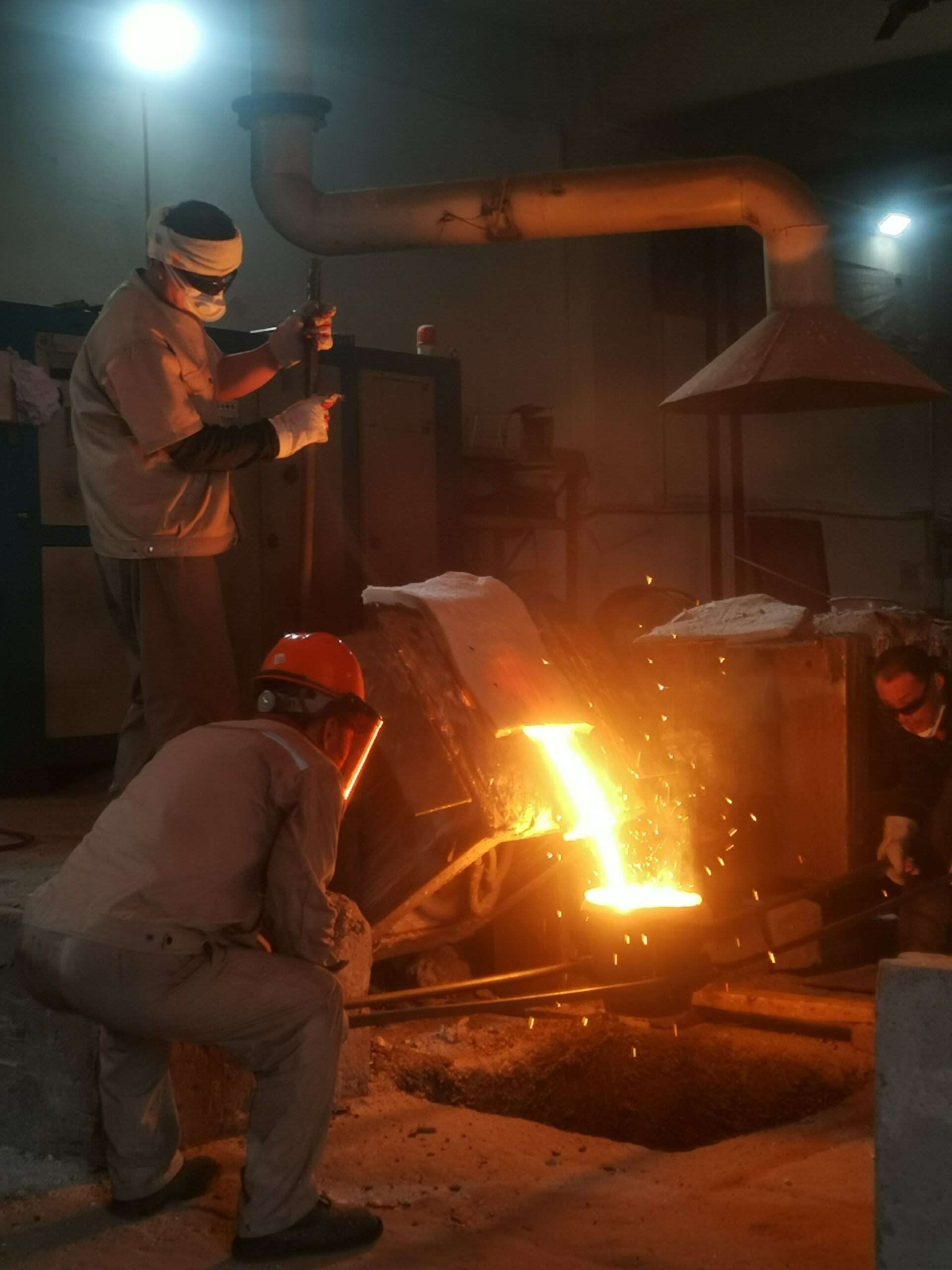
Verified molten alloy fills the preheated ceramic shells under controlled pouring temperatures and handling conditions.
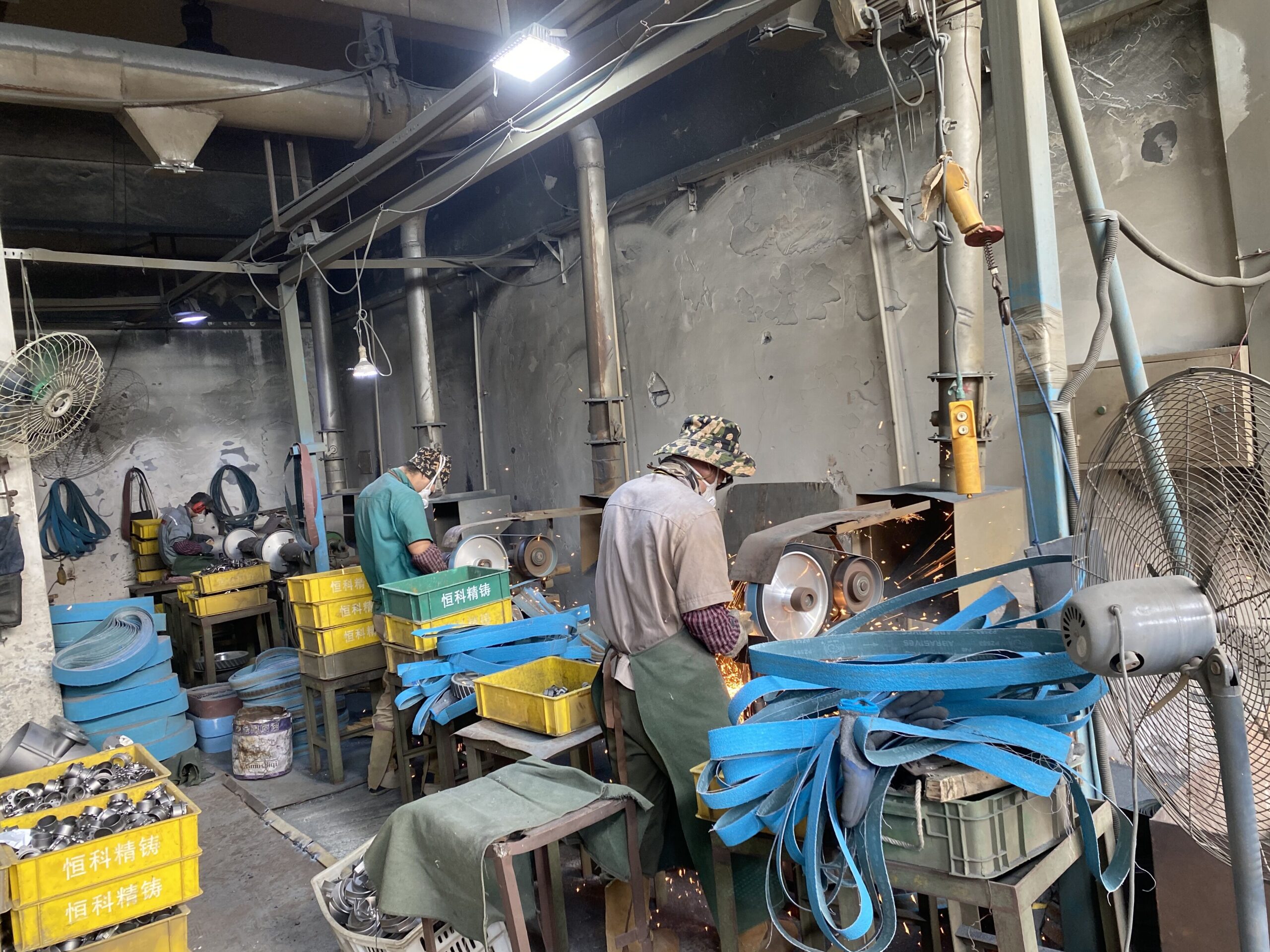
Cutting, grinding and related finishing operations remove gates, runners and unwanted surface material from the castings.
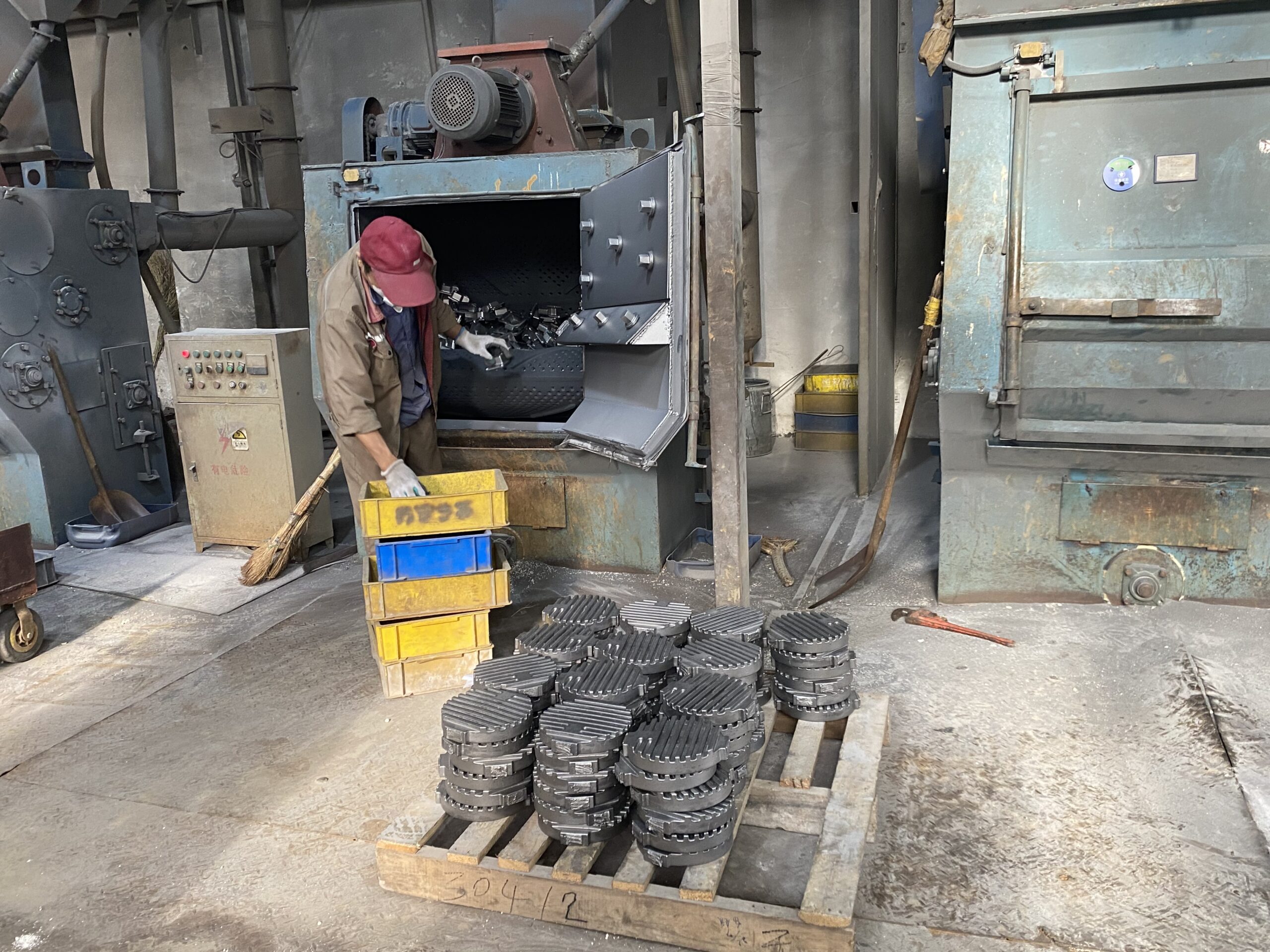
Blasting clears away remaining ceramic shell and scale, leaving a clean, uniform casting surface.
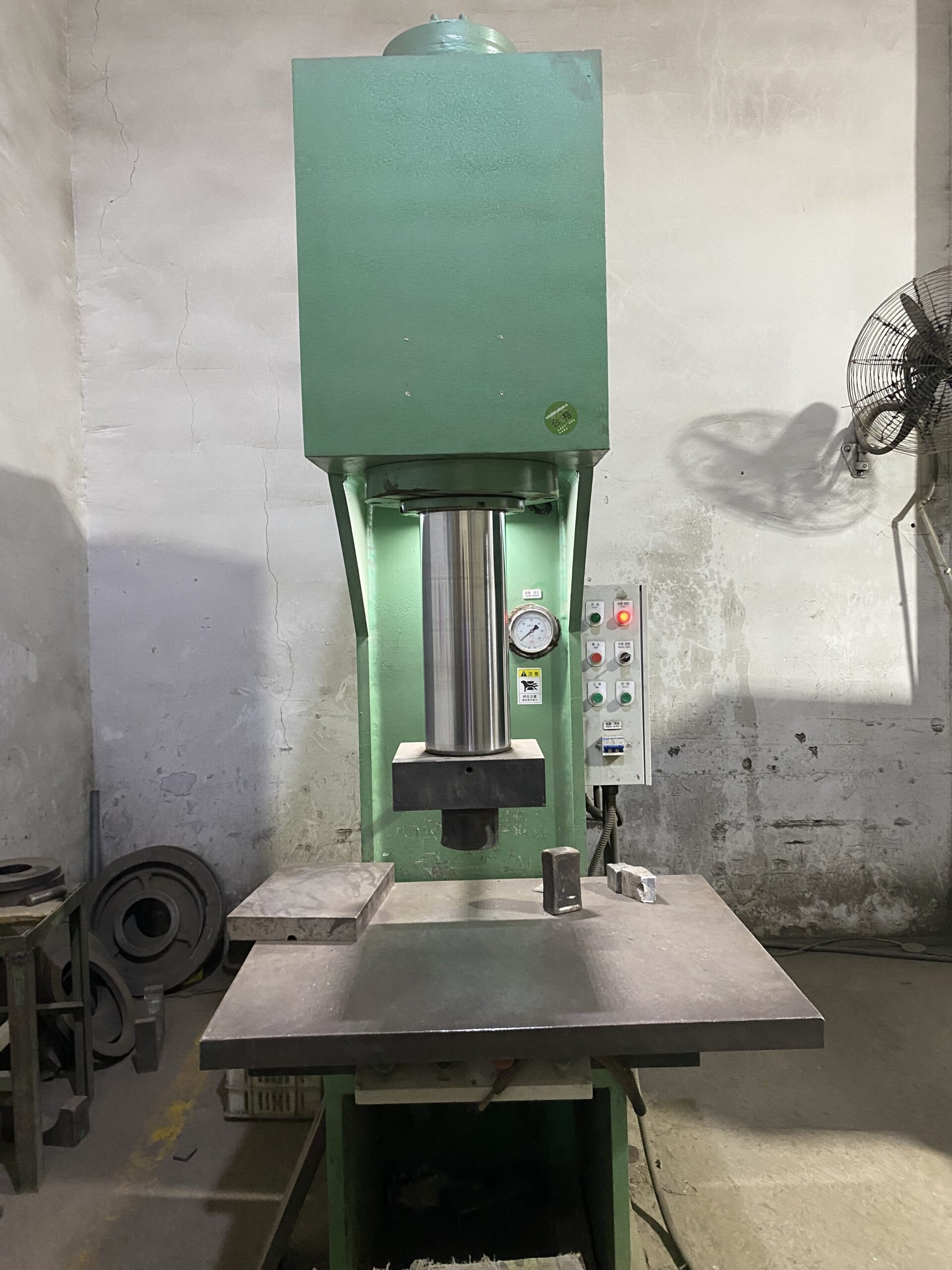
Where necessary, castings are inspected and carefully straightened to meet the specified shape and dimensional alignment.
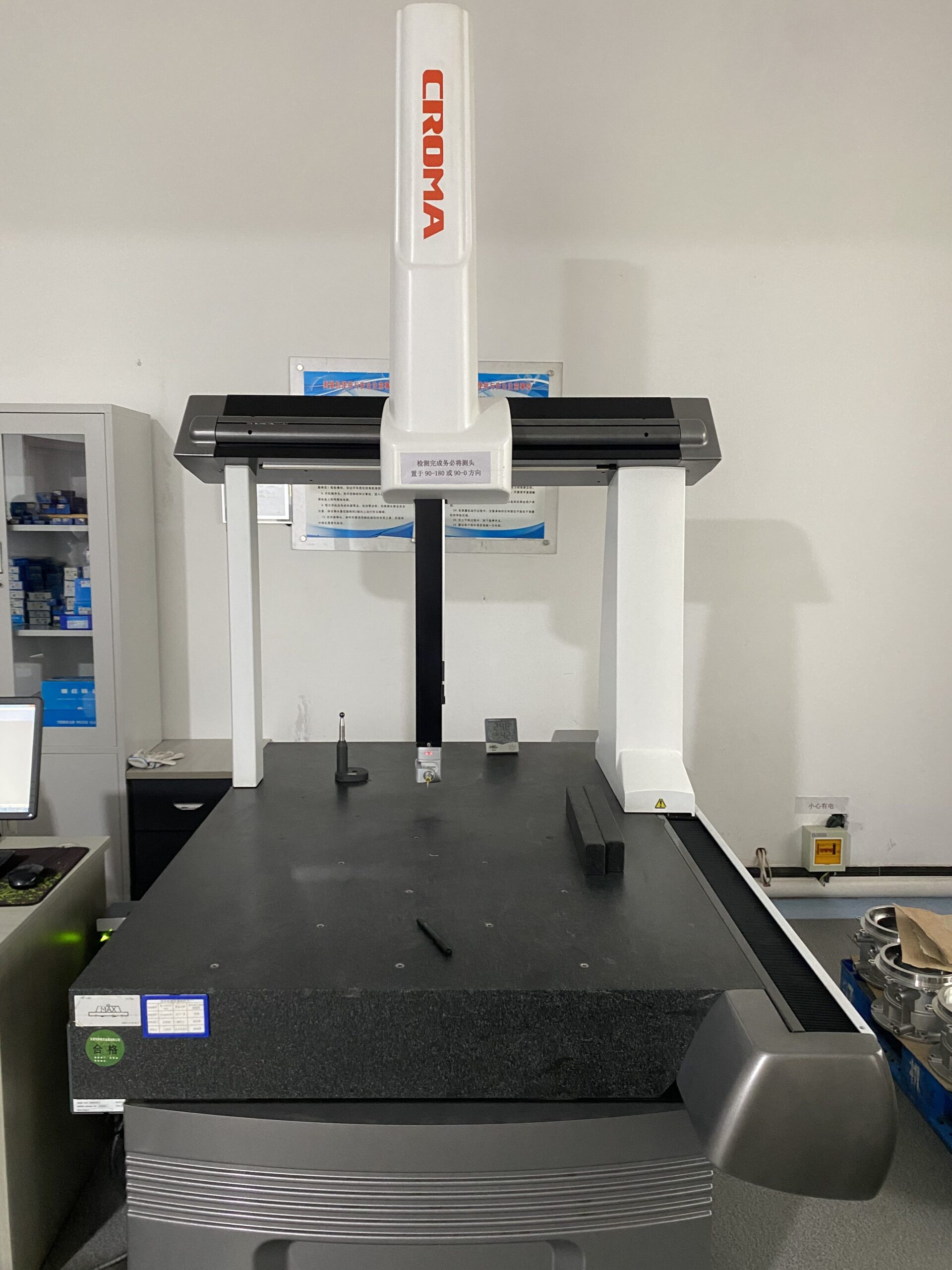
Calibrated CMM equipment and other measuring tools check critical dimensions against customer drawings and inspection requirements.
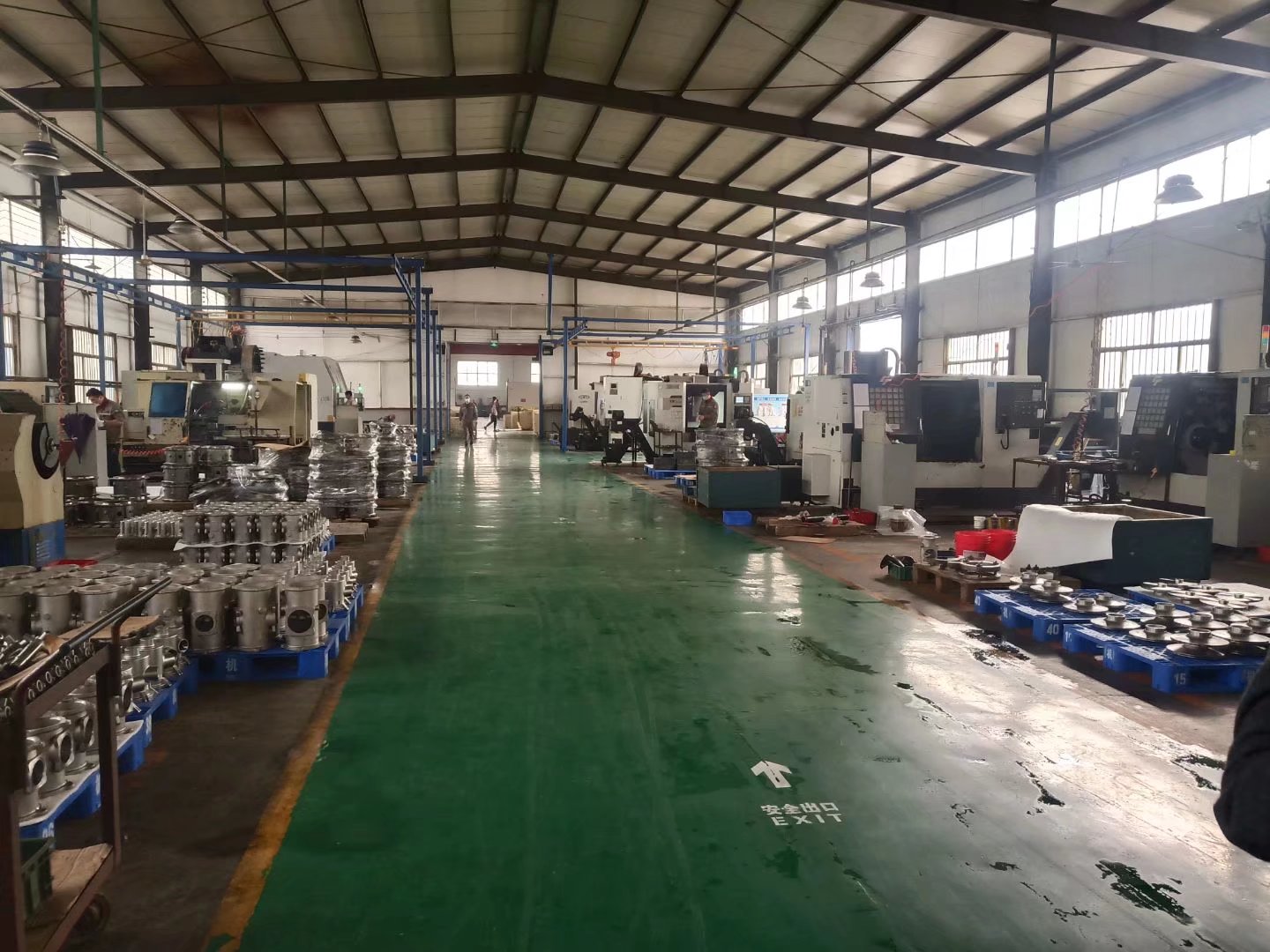
CNC turning, milling, drilling and finishing bring each component to the required tolerances, fit and surface quality.
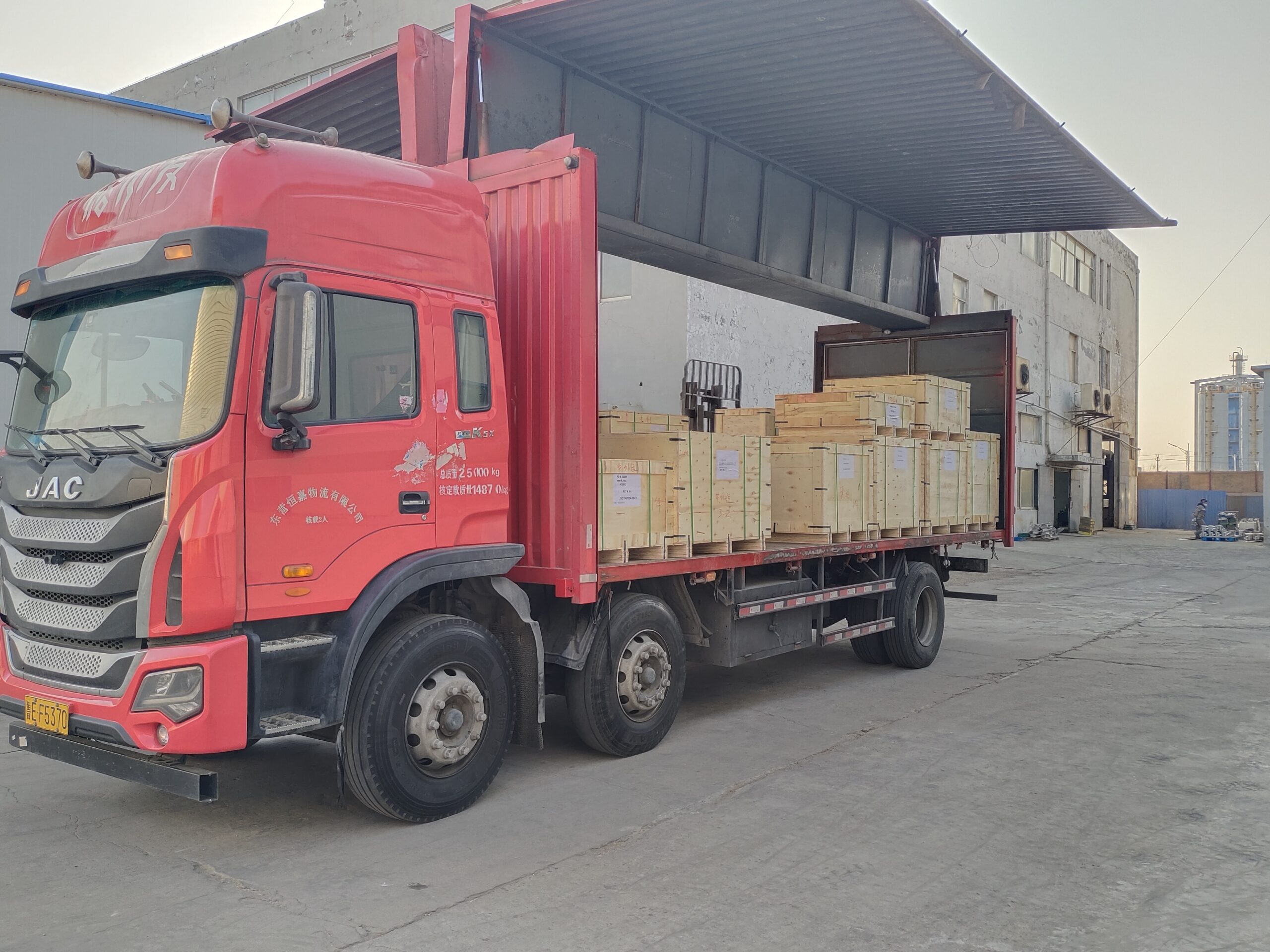
Completed castings are protected, labeled and packed in export-grade cases, with traceability maintained for shipment.
Error! You must specify a valid width to use this shortcode!