

 By Coco

What Is Investment Casting?
Investment casting, also known as lost wax casting, is a highly precise manufacturing process used to produce complex metal parts with excellent surface finish and tight tolerances.
In simple terms, a wax model is created, coated with ceramic material, melted out, and then replaced with molten metal to form the final product.
The term “investment” refers to the process of coating (or investing) the wax pattern with ceramic material to create a mold.
How Investment Casting Works


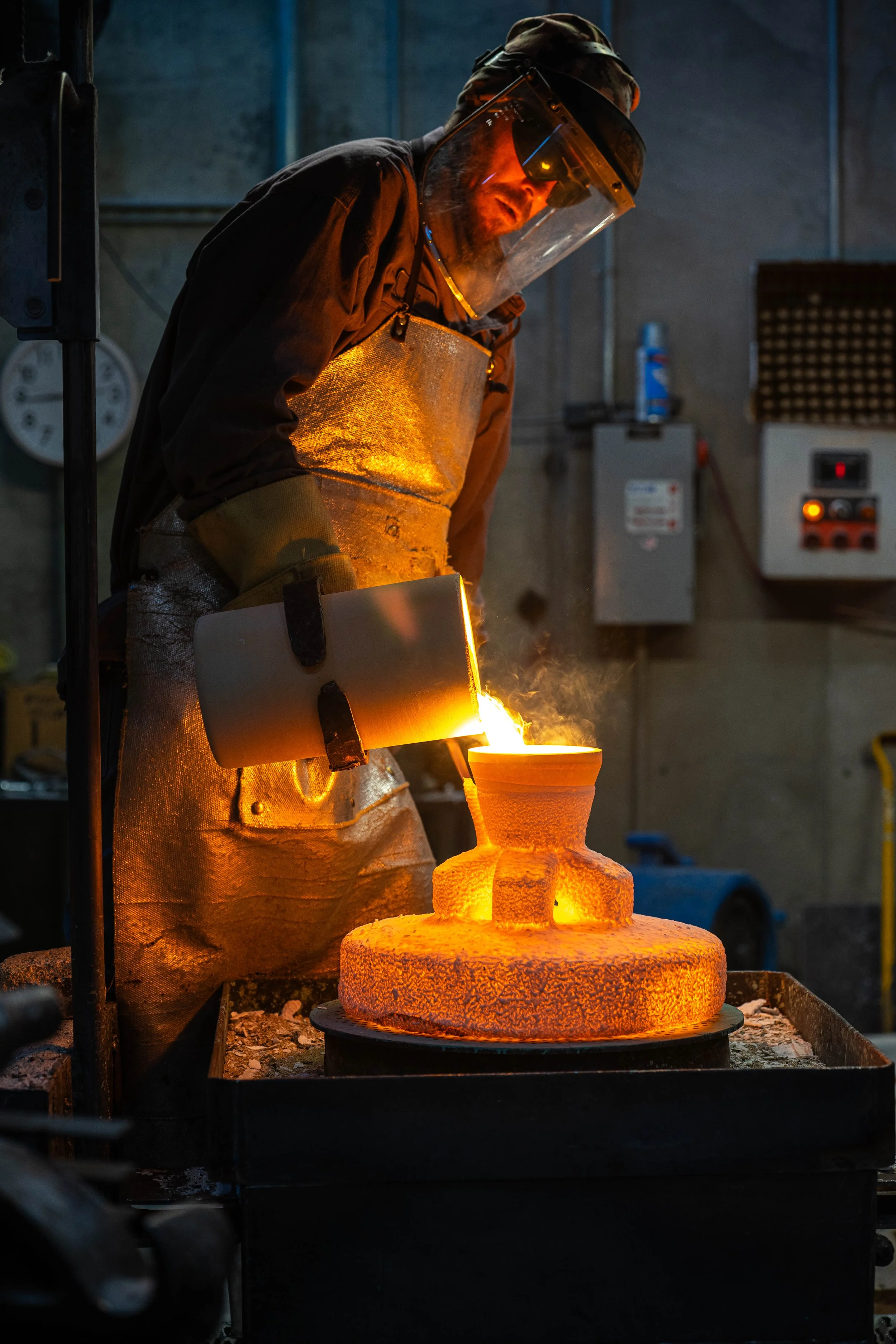
The process used by professional investment casting manufacturers and China foundries typically includes the following steps:
1. Wax Pattern Production
A wax model is injected using a metal mold. This pattern is an exact replica of the final part.
2. Wax Assembly
Multiple wax patterns are attached to a central sprue to form a “tree,” improving production efficiency.
3. Ceramic Shell Building
The wax tree is dipped into ceramic slurry and coated with sand repeatedly to form a strong shell.
4. Dewaxing
The wax is melted out in a furnace, leaving a hollow ceramic mold.
5. Metal Pouring
Molten metal (stainless steel, carbon steel, alloy steel, aluminum, or brass) is poured into the mold.
6. Cooling and Solidification
The metal cools and takes the exact shape of the mold cavity.
7. Finishing
The ceramic shell is broken off, and the casting is cleaned, cut, machined, and inspected.
Why Investment Casting Is Important in Modern Industry
Today, investment casting plays a key role in industries that require high precision and complex geometries. Many global buyers prefer working with China investment casting suppliers and exporters because of their competitive pricing, advanced manufacturing capability, and scalable production.
Key Advantages
- High dimensional accuracy
- Smooth surface finish (Ra 1.6–3.2 µm)
- Complex shapes without machining
- Material flexibility (steel, iron, aluminum, alloys)
- Reduced material waste
- Lower machining cost
Investment Casting vs Other Casting Methods
| Feature | Investment Casting | Sand Casting | Die Casting |
|---|---|---|---|
| Accuracy | Very High | Medium | High |
| Surface Finish | Smooth | Rough | Very Smooth |
| Complexity | Excellent | Limited | Medium |
| Tooling Cost | Medium | Low | High |
| Production Volume | Medium to High | Low to Medium | High |
| Best For | Precision parts | Large simple parts | Mass production aluminum parts |
For industries like pump parts, valve castings, automotive brake components, and machinery parts, investment casting is often the best choice.
Applications of Investment Casting

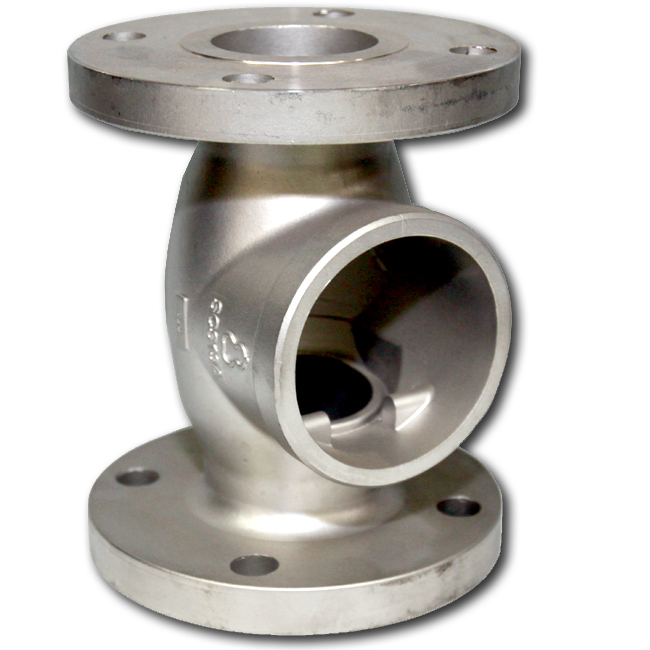

Investment casting is widely used across multiple industries:
1. Pump and Valve Industry
- Impellers
- Valve bodies
- Pump housings
2. Automotive Industry
- Brake parts
- Engine components
- Transmission parts
3. Machinery and Equipment
- Structural components
- Gear housings
- Agricultural machinery parts
4. Aerospace Industry
- Turbine blades
- High-temperature alloy parts
5. General Industrial Applications
- Hardware
- Marine parts
- Construction components
China Investment Casting Manufacturers and Suppliers
China has become a global hub for investment casting manufacturers, suppliers, and exporters. Many international buyers source from China foundries due to:
Competitive Advantages of China Foundries
- Lower production cost
- Large-scale manufacturing capacity
- Skilled engineering teams
- Advanced CNC machining integration
- Strong export experience
What China Investment Casting Factories Offer
- OEM and ODM services
- Custom design and engineering
- Rapid tooling and sample development
- Heat treatment and surface finishing
- Full quality inspection (ISO, SGS, etc.)
Investment Casting Price: What Affects Cost?
The price of investment casting varies depending on several factors. Whether you are sourcing from a local supplier or a China investment casting exporter, understanding cost structure is critical.
Key Pricing Factors
- Material Type
Stainless steel and alloy steel cost more than carbon steel. - Part Complexity
Complex geometries increase tooling and production cost. - Weight and Size
Heavier parts require more material and energy. - Quantity (MOQ)
Larger orders reduce unit price significantly. - Tooling Cost
Initial mold cost is usually one-time but affects early pricing. - Machining Requirements
Additional CNC machining increases cost.
Typical Price Range (Reference)
| Part Type | Estimated Price (USD/kg) |
|---|---|
| Carbon Steel Casting | $2.5 – $5.0 |
| Stainless Steel Casting | $4.0 – $8.0 |
| Alloy Steel Casting | $6.0 – $10.0 |
Prices vary by supplier, factory capability, and order volume.
How to Choose the Right Investment Casting Supplier
Choosing the right investment casting manufacturer or China foundry is essential for long-term cooperation.
Key Selection Criteria
1. Experience and Industry Focus
Look for suppliers with experience in your product category (pump parts, valve castings, machinery components).
2. Production Capability
- Wax injection machines
- Shell building lines
- CNC machining centers
3. Quality Control
- ISO certification
- Material traceability
- Dimensional inspection
4. Export Experience
Reliable exporters understand international standards and logistics.
5. Communication and Support
A good supplier provides engineering support, fast response, and clear documentation.
Investment Casting for OEM and Custom Parts
One of the biggest advantages of working with investment casting factories in China is their ability to produce OEM custom metal parts.
OEM Services Include:
- Custom mold design
- Prototype development
- Material selection guidance
- Surface treatment (polishing, coating, plating)
- Packaging and export logistics
This makes investment casting ideal for businesses looking to develop proprietary products or reduce manufacturing costs.
Future Trends in Investment Casting Industry
The global investment casting market continues to grow, driven by demand in automotive, aerospace, and industrial sectors.
Key Trends
- Automation and smart foundries
- Improved ceramic materials for better accuracy
- Integration with CNC machining
- Sustainable manufacturing processes
- Global sourcing from China suppliers
China will continue to dominate as a leading investment casting exporter and manufacturing base.
FAQ: Investment Casting Manufacturers, Suppliers, and Price
1. What is the difference between investment casting and sand casting?
Investment casting offers higher precision and smoother surface finish, while sand casting is cheaper and suitable for larger, simpler parts.
2. Why choose China investment casting suppliers?
China suppliers provide competitive prices, strong production capacity, and reliable export services, making them ideal for global sourcing.
3. What materials can be used in investment casting?
Common materials include stainless steel, carbon steel, alloy steel, aluminum, brass, and special alloys.
4. What is the typical MOQ for investment casting factories?
MOQ usually ranges from 100 to 1000 pieces, depending on part size and complexity.
5. How long does production take?
Tooling takes 2–4 weeks, while mass production typically takes 3–6 weeks.
6. Is investment casting suitable for high-volume production?
Yes, it is suitable for medium to high-volume production with consistent quality.
Conclusion
Investment casting is one of the most advanced and efficient methods for producing high-precision metal parts. With its ability to create complex geometries, reduce machining costs, and deliver excellent surface quality, it remains a top choice across industries.
Working with reliable investment casting manufacturers, China foundries, suppliers, and exporters can help businesses reduce costs, improve product quality, and scale production efficiently.
If you are sourcing custom metal parts, choosing the right investment casting factory in China is a strategic move that can significantly impact your business success.

Get Premium Casting Products
Join foundryking.com Newsletter to get more information of different premium OEM Casting products in China.


