

 By Coco
Forging and investment casting are two widely used metal manufacturing processes, but they are very different in how parts are made, their performance, and their applications.
⚙️ Forging Process (Overview)

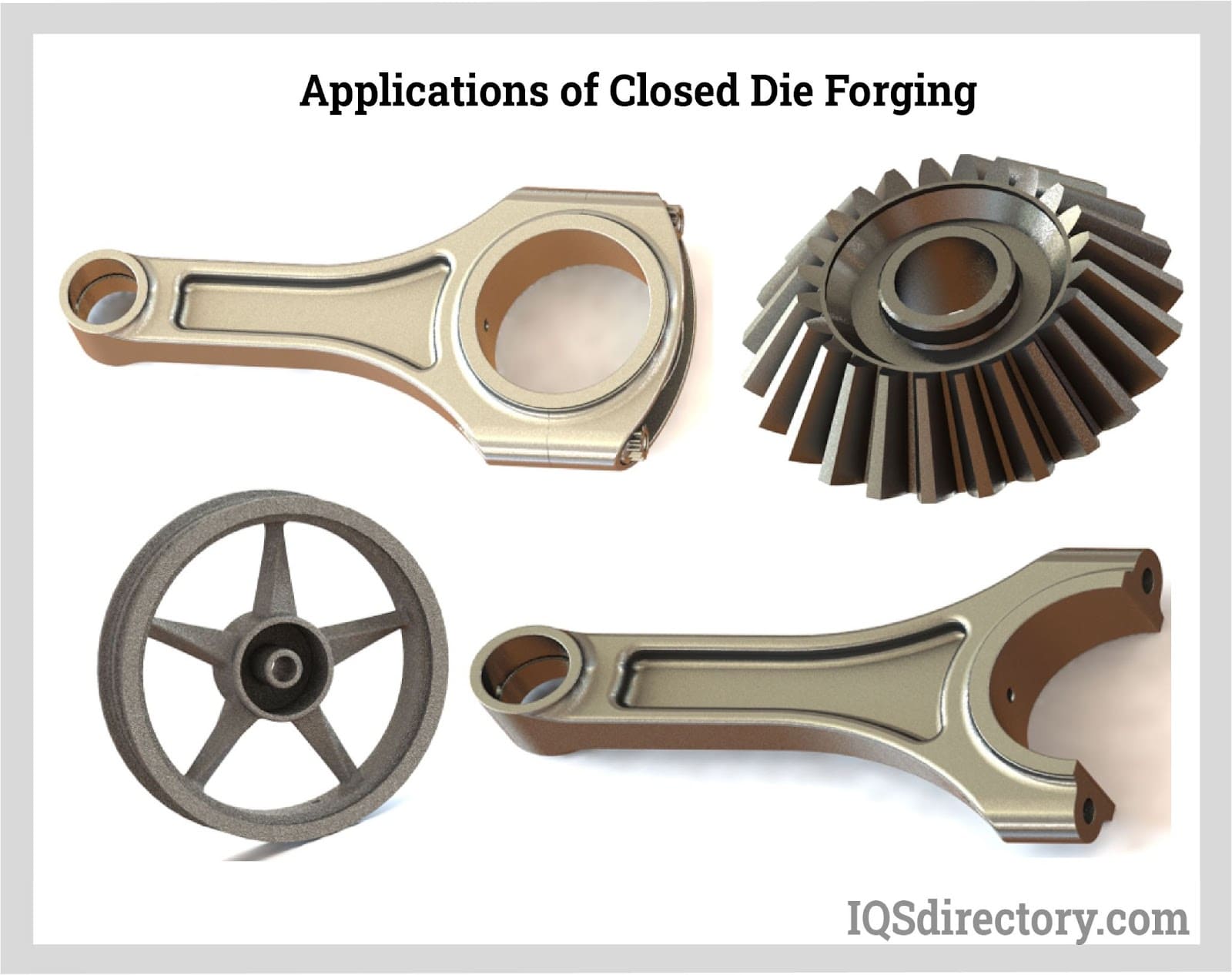
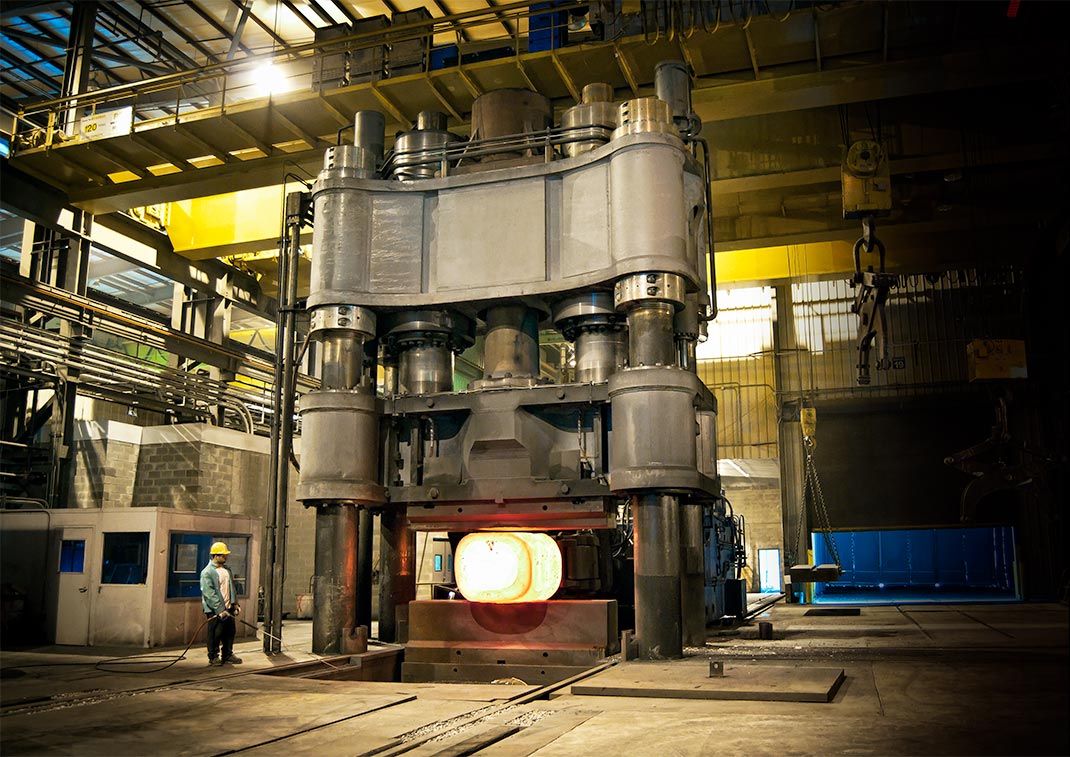
Forging involves shaping metal using compressive force (hammering or pressing). The metal is usually heated and then deformed into shape.
👉 Think: “Smashing metal into shape”
🏭 Investment Casting Process (Overview)

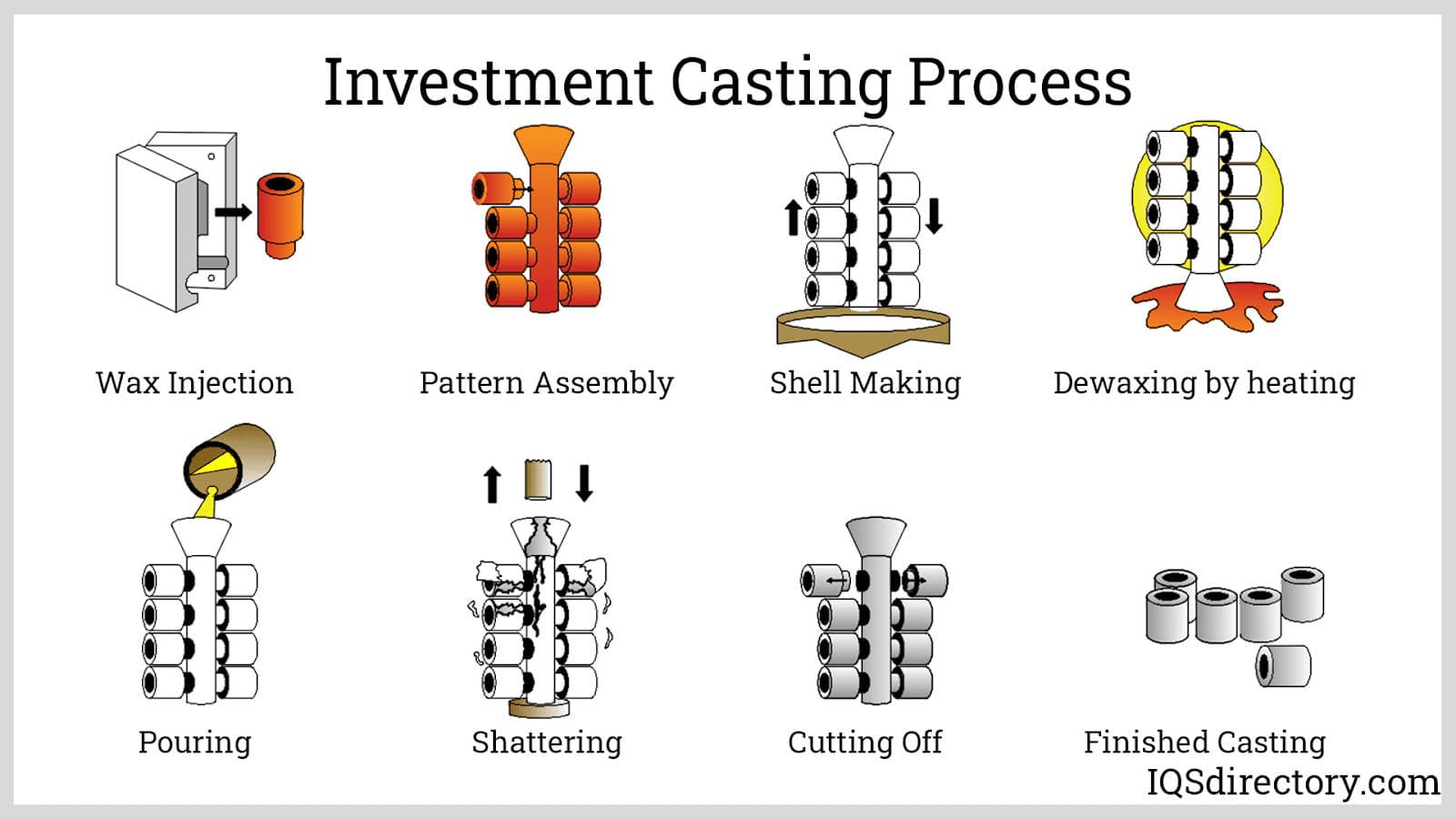

Investment casting (lost wax casting) creates parts by:
- Making a wax pattern
- Coating it with ceramic
- Melting the wax away
- Pouring molten metal into the mold
👉 Think: “Pouring metal into a precise mold”
📊 Key Differences (Quick Comparison Table)
| Feature | Forging | Investment Casting |
|---|---|---|
| Process Type | Deformation (force) | Mold casting (pouring metal) |
| Strength | Very high (grain flow aligned) | High, but lower than forging |
| Precision | Medium | Very high |
| Surface Finish | Rough to medium | Smooth |
| Shape Complexity | Limited | Excellent (complex geometries) |
| Material Waste | Low | Low |
| Tooling Cost | High (dies required) | Medium |
| Machining Needed | More | Less (near net shape) |
| Best For | High-strength parts | Complex precision parts |
🔍 Main Differences Explained
1. Strength and Performance
- Forging produces stronger parts because the metal grain flows along the shape.
- Investment casting parts are slightly less strong but still very durable.
👉 Example:
- Forging → crankshafts, connecting rods
- Casting → valve bodies, pump impellers
2. Shape Complexity
- Forging is limited in complex internal shapes
- Investment casting can create very detailed and intricate designs
👉 If your product has curves, holes, or thin walls → casting is better
3. Surface Finish and Accuracy
- Forged parts usually need more machining
- Investment casting produces smooth, near-finished parts
4. Cost and Production
- Forging is cost-effective for high-volume, simple parts
- Investment casting is better for complex, medium-volume parts
🏭 Applications Comparison
Forging Used For:
- Automotive crankshafts
- Gear blanks
- High-strength bolts
- Heavy machinery parts
Investment Casting Used For:
- Pump parts (impellers)
- Valve components
- Aerospace parts
- Brake components
🧠 Which One Should You Choose?
Choose Forging if:
- You need maximum strength
- The shape is relatively simple
- The part will face high stress or impact
Choose Investment Casting if:
- You need complex shapes
- You want better surface finish
- You want to reduce machining cost
📌 Simple Summary
Forging = stronger parts (force shaping)
Investment casting = more complex and precise parts (mold casting)
❓ FAQ
1. Is forging stronger than investment casting?
Yes, forging generally produces stronger parts due to aligned grain structure.
2. Which is cheaper: forging or investment casting?
It depends. Forging is cheaper for simple, high-volume parts, while casting is cost-effective for complex shapes.
3. Can both processes use the same materials?
Yes, both can use steel, stainless steel, aluminum, and other alloys.
4. Which process is better for pump parts?
Investment casting is better because pump parts often have complex shapes.
5. Which is better for automotive safety parts?
Forging is preferred for high-stress parts like crankshafts and connecting rods.

Get Premium Casting Products
Join foundryking.com Newsletter to get more information of different premium OEM Casting products in China.


